On the TechTO stage ×4

Brett Belchetz of Maple presents How Virtual Care is Transforming Healthcare Delivery
Watch on YouTube ↗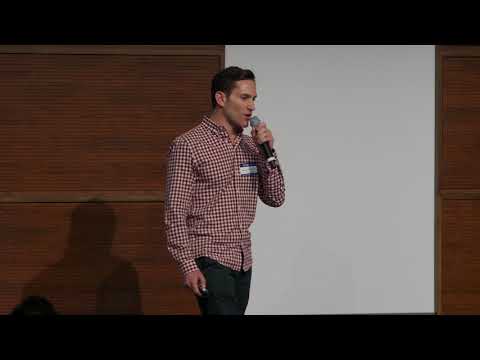
Brett Belchetz of Maple Corporation presents Trying to innovate Canadian Healthcare
Watch on YouTube ↗
The Journey to Becoming a Leader in the Healthcare Space | A Candid Conversation with Brett Belchetz
Watch on YouTube ↗
The Founders Journey ft. Dr. Brett Belchetz of Maple
Listen to the episode ↗First seen on the TechTO stage in 2017. Every talk is searchable — ask the archive about Brett ↗
In their words
I got really fed up going to the emergency room and seeing people waiting eight hours for four minutes of my time. Most of the time they came in looking for a prescription and they walked out with the flu — which is not the bonus that anybody wanted.
Why would I pay for something I can get for free? My answer to that is: why would you take a taxi when you can walk for free? You pay for a taxi to save the three hours it would take you to walk to Mississauga.
People talk about Canadian health care being free. It's not free. Nothing that makes you miss four hours of paid work is free — and we save people that money.
one third of Canadians are waiting more than 6 days to see a family doctor when they're ill
Kaiser fifty-three percent of their visits last year virtual Canada 0.25 percent the opportunity for us to improve is tremendous
More from TechTO ×2
Around the web ×3
Quick answers
Why did Brett Belchetz start Maple?
He was an emergency room physician watching people wait eight hours for four minutes of his time, usually for transactional care — a prescription renewal, a blood test order. Patients missed a day of work, sat next to someone with the flu, and often left with it. Maple was his answer: get a doctor on a phone, video or text instead.
Who founded Maple?
Belchetz founded it in 2015 with two friends: Stuart Starr, his CTO and a technologist he had known about 15 years, and Roxana Zaman, who brought the product, marketing and business experience he did not have. The three worked out of his dining room with no funding while keeping their day jobs.
Why does Maple charge, when Canadian health care is public?
Because virtual care largely isn't covered. Belchetz's position on the TechTO stage was that it should be funded publicly, and until it is, the way to prove the case is to run it — privately, and through employer health plans, the same way dental care, chiropractic and pharmaceuticals are funded for most Canadians. He also argues 'free' overstates the public system: nothing that makes you miss four hours of paid work is free.