The people
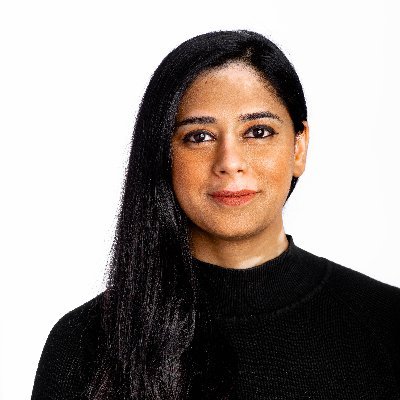
What they build
Open roles via the TechTO Job Board
Working at Fable
Browse open roles across the community on the TechTO Job Board — Canada’s most connected tech network. Fable’s roles show up here whenever they post.
Open roles on the TechTO Job Board ↗Or their own careers page: makeitfable.com/careers ↗Jobs live on jobs.techto.org — the only structured source. We link to it rather than scraping career sites, so the board is always the source of truth.
On the TechTO stage

The Art to Finding The Right Investors
Watch on YouTube ↗
Inclusion is a technical problem | Alwar Pillai, CEO at Fable Tech Labs
Watch on YouTube ↗Every talk is searchable — ask the archive about Fable ↗
About
Fable (legally Fable Tech Labs Inc.) was founded in Toronto in April 2018 by Alwar Pillai and Abid Virani, who met in OCAD University's Master of Design in Inclusive Design program. The platform recruits, supports, and compensates a community of assistive technology users — people using screen readers, magnification, alternative navigation, and more — and connects them with enterprise teams for user interviews, prototype reviews, and compatibility testing. Early customers included Slack, Telus, and Wealthsimple; as of 2026 Fable serves large enterprises such as Microsoft, Meta, Walmart, Shopify, and BMO, and both founders were named to Forbes 30 Under 30 in 2020. Five Elms Capital led the company's US$10.5M Series A (May 2022) and US$25M Series B (October 2024); the Series B is funding expansion of the tester community to people with hearing and cognitive disabilities and work on accessibility in AI. In September 2025, Pillai moved from CEO to Executive Chair of the board, with SaaS operator Toan Dinh appointed CEO.
Backers
Five Elms Capital led both the US$10.5M Series A (May 2022) and the US$25M Series B (October 2024). Other investors have included Difference Partners, Disruption Ventures (exited via secondary in the Series B), and angels including John Ruffolo.
More from TechTO ×6
Quick answers
What does Fable do?
Fable is an enterprise platform for inclusive product development. It connects large organizations with a paid, vetted community of people with disabilities to run user interviews, prototype reviews, and assistive technology compatibility tests, so digital products become more accessible and usable for everyone. Most of its customers are companies with millions, if not billions, of users.
Who founded Fable, and who runs it now?
Alwar Pillai and Abid Virani founded Fable in Toronto in 2018 after meeting in OCAD University's inclusive design master's program. Pillai led the company as CEO through its Series A and Series B; in September 2025 she became Executive Chair of the board and Toan Dinh, a veteran SaaS operator (Achievers, TouchBistro, PatSnap), was appointed CEO. Virani served as COO.
How is Fable funded?
Fable has raised four rounds totalling over $50 million CAD (as of early 2025). Five Elms Capital led the US$10.5M Series A in May 2022 and the US$25M Series B in October 2024, with earlier participation from Difference Partners, Disruption Ventures, and angels including John Ruffolo. The Series B is funding expansion of the tester community to hearing and cognitive disabilities and work on accessibility in AI.